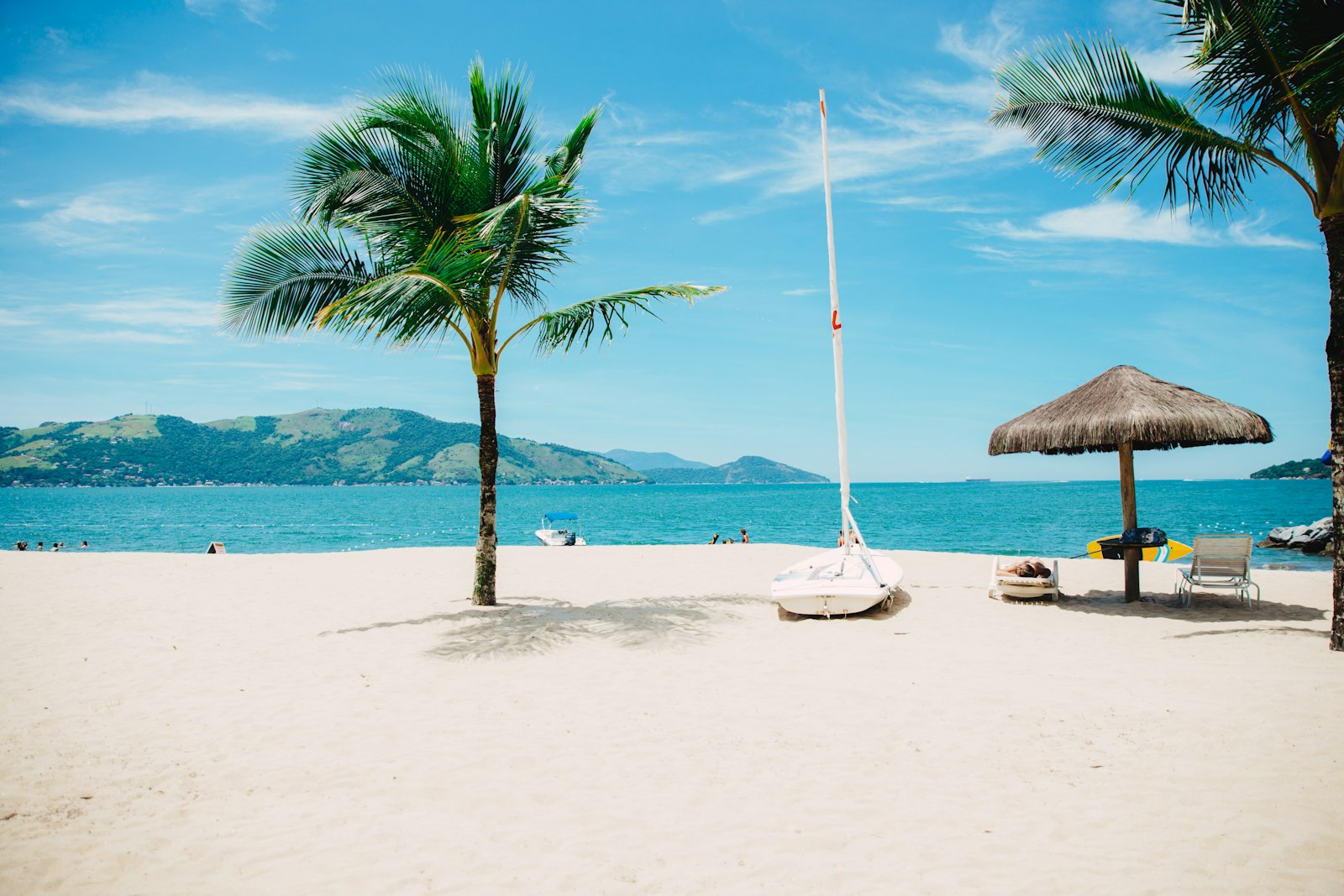
Goa — Most Bikini-Friendly Beaches in India
Goa is India's most bikini-friendly state — international beach culture has been established here since the 1960s, and bikinis are entirely normal on virtually every Goa beach. North Goa (Calangute, Baga, Anjuna, Morjim, Vagator): bikinis are standard at all tourist beaches — you will see a mix of Indian and international tourists in all swimwear styles. South Goa (Palolem, Agonda, Cavelossim, Benaulim): equally relaxed — beach hut culture means a mix of nationalities and swimwear styles. Government beaches (Colva, Miramar): slightly more mixed crowd, still completely fine. The only exception: avoid bikinis if visiting the Basilica of Bom Jesus or any Goa church as part of your beach day. Pack a wrap or sarong.
Andaman Islands — Bikini Comfortable at Tourist Beaches
Radhanagar Beach, Elephant Beach, Neil Island beaches, Corbyn's Cove: bikinis are perfectly acceptable at all tourist-oriented Andaman beaches. The Andaman beach culture has a strong international presence (divers, backpackers) and swimwear norms are relaxed. Local beaches in Port Blair (near fishing villages and markets) are more mixed — a rash guard + board shorts combination is more respectful. Note: the entire Andaman beach experience involves significant travel, so pack thoughtfully — a rash guard is also practical for sun protection during boat trips.
Kerala — Relaxed at Tourist Beaches, Conservative at Local Beaches
Varkala Cliff Beach: entirely bikini-comfortable — the cliff area is dominated by international tourists, Western backpackers, and yoga retreatants. Kovalam (Lighthouse Beach): similar to Varkala — the main tourist beach section is fine. Avoid bikinis at Papanasam Beach at Varkala's southern end (sacred Hindu bathing beach). Marari, Cherai, Kappad: more local Kerala beach culture — a swimsuit is fine but a bikini may attract more attention than at Varkala or Kovalam. Respect is the guide: a sarong wrap when not in the water goes a long way everywhere in Kerala.
Pondicherry and Tamil Nadu — More Conservative
Tamil Nadu and Pondicherry beaches have more conservative beach culture compared to Goa and Andaman. Marina Beach, Mahabalipuram: heavily local and family crowds — bikinis will attract significant attention; a full swimsuit and sarong are more appropriate. Pondicherry beaches: the international presence means a swimsuit is fine, but a full bikini draws noticeably more stares than in Goa. Serenity Beach is the most comfortable for bikinis in Pondicherry (international surf culture). Promenade Beach is a walking beach where no one swims — full clothing is the norm. Rameswaram, Kanyakumari: sacred coastal towns — dress very conservatively; bikinis/swimwear at the public beaches are inappropriate and will cause unwanted attention.
Practical Tips for Beach Dress in India
1. Pack a sarong or wrap: useful everywhere — thrown over a bikini to reach the beach, respect at temple-adjacent beaches, and as a light coverup at rooftop restaurants. 2. Rash guard + shorts: the most universally comfortable option across all India beaches — provides sun protection, minimal attention anywhere, and works for snorkelling and water sports. 3. Research before you go: local norms change — what's comfortable at Palolem in Goa may be different at an Odisha or Andhra Pradesh beach. As a rule: the more international the tourist crowd, the more relaxed the dress norms. 4. Water entry is always more comfortable in proper swimwear — a wet salwar or saree is both unsafe (waterlogged) and uncomfortable. 5. There are no legal restrictions on swimwear at any tourist beach in India — the considerations are social comfort, not legality.