Radhanagar Beach — Where Jungle Meets the Andaman Sea
The jungle runs to the shoreline. The sand is blinding white powder. The water shifts from aquamarine near the shore to deep sapphire offshore. There are no hotels visible from the beach, no touts, no permanent structures — just two km of undisturbed coast and a forest that backs it entirely. At sunset, the western sky behind the tree canopy ignites in coral and crimson. This is Radhanagar Beach on Havelock (Swaraj Dweep) Island, Andaman — and it is, by any objective measure, India's most beautiful beach.
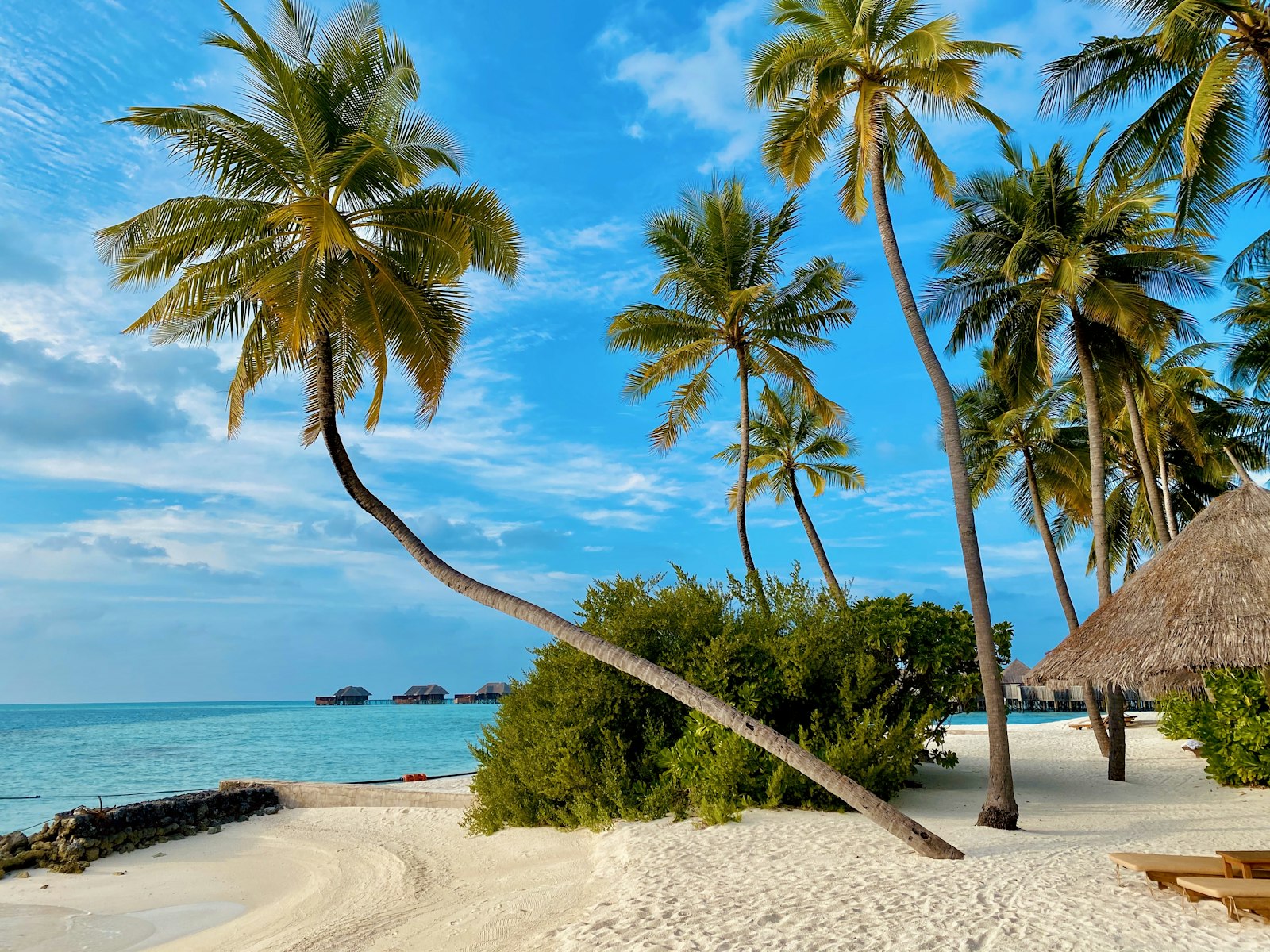
Bangaram Island Beach, Lakshadweep — Maldives Without the Price Tag
Bangaram is a coral atoll — a flat, teardrop-shaped island surrounded entirely by a turquoise lagoon so calm it looks like glass. Beyond the lagoon edge, the coral reef drops sharply and the water turns deep blue. The sand is so fine it squeaks underfoot. There is one resort on the island; the beaches on the uninhabited southern tip are reached by kayak and are entirely deserted. The snorkelling on the reef edge is the best in India by some margin — manta rays, reef sharks, and hawksbill turtles are regular sightings.
Butterfly Beach, South Goa — India's Hidden Crescent Gem
Butterfly Beach (also called Butterfly Island) is reachable only by boat from Palolem (15 minutes, ₹150 one-way) or by trekking 45 minutes over the headland. The tiny crescent is flanked by rocky headlands covered in jungle, barely 200 metres wide, with no permanent structures. Dolphins frequent the bay in the early morning. The water is jewel-blue. Only a handful of travellers make it here on any given day, meaning you may have one of the most beautiful beaches in South Asia almost entirely to yourself.
Elephant Beach, Havelock Island — Most Colourful Shallow Water
Elephant Beach is accessed by a 30-minute jungle trek or 10-minute speedboat from Havelock jetty. What greets you is a sea floor of living coral so shallow (1–3 metres) you can see every fish from the surface. The water is a brilliant turquoise-green, the sand between the coral is white, and the forest surrounds the small bay on three sides. Snorkelling here without diving equipment feels like swimming in an aquarium. Arrive before 9 AM to have it to yourself before organised tour groups arrive.
Kapu Beach, Udupi, Karnataka — Lighthouse on the Rocks
Kapu is a working fishing beach north of Udupi with a 19th-century lighthouse perched on a black basalt rock outcrop at the southern end. The combination of the red-and-white colonial lighthouse, the black volcanic rocks, the golden sand, and the powerful Arabian Sea waves makes for one of the most compositionally stunning beach landscapes in South India. The lighthouse is open for climbing on Fridays only (₹5 entry). The beach has minimal tourist infrastructure — a few tea stalls — which preserves the atmosphere.
Havelock Island's Beach 7, Andaman — The Unspoilt Alternative
While Radhanagar (Beach 7 is its official number) is famous, the stretch from the southern end of Beach 7 around the headland to the coral-dotted shallows at low tide is accessible only on foot and remains almost entirely unknown. The reef exposed at low tide creates tide pools of astonishing colour — starfish, sea urchins, clownfish, moray eels — all visible without a mask. Walk from the main Beach 7 car park south along the shoreline for 15 minutes at low tide. Bring water and reef-safe footwear.
❓ Frequently Asked Questions
Read full in-depth guides for the beaches mentioned in this article — with maps, 3-day itineraries, hotel picks, and local tips.